Glycolic Acid for Beginners: How It Works, What to Expect & How to Start

Should you be using glycolic acid on your skin?
Glycolic acid is the most widely studied and effective alpha-hydroxy acid (AHA) in skincare. It exfoliates dead skin cells, stimulates collagen production, brightens dull complexions, and fades hyperpigmentation. If you're new to chemical exfoliation, glycolic acid is the place to start. 🌿
You've probably seen it on labels and in ingredient lists for years without knowing exactly what it does. Or maybe you've heard it stings. Or that it makes your skin peel. There's some truth to both, but there's a lot more to the story.
This guide breaks down how glycolic acid works, who should use it, what concentration to start with, and the most common mistakes beginners make.
How Does Glycolic Acid Work?
Glycolic acid is derived from sugar cane. It has the smallest molecular size of all AHAs, which means it penetrates skin more deeply and works faster than other chemical exfoliants like lactic acid or mandelic acid.
When applied to skin, glycolic acid dissolves the bonds holding dead cells to the surface. Instead of physically scrubbing them off with a gritty scrub, it loosens them chemically so they shed naturally. The result is smoother texture, fewer clogged pores, and a brighter complexion without micro-tears or irritation from harsh scrubbing.
At concentrations above 8%, glycolic acid also signals fibroblasts in the dermis to ramp up collagen and hyaluronic acid production. That's the anti-aging benefit most people don't realise comes from an exfoliant.
What Glycolic Acid Does for Your Skin
Brightening and radiance: By removing the layer of dead, dull cells on your skin's surface, glycolic acid reveals the fresher cells underneath. Most people see a noticeable glow within 1-2 weeks of regular use.
Texture and pore refinement: Glycolic acid dissolves the sebum and debris that clog pores, reducing their appearance over time. It also smooths rough patches, bumpy texture, and those tiny raised bumps on your forehead or chin that won't go away with regular cleansing.
Dark spot fading: By accelerating cell turnover, glycolic acid helps push pigmented cells to the surface faster. Clinical studies show 10% glycolic acid can reduce melanin content by 22% over 12 weeks.
Anti-aging: Glycolic acid at 8%+ stimulates collagen production and increases epidermal thickness. A 2020 study found 12 weeks of glycolic acid use led to a measurable increase in dermal collagen density, reducing the appearance of fine lines.
Better product absorption: Once that dead cell barrier is cleared, serums, moisturisers, and treatments absorb more effectively. Your entire skincare routine works harder when glycolic acid goes first.
Glycolic Acid Concentration: What Percentage Should You Use?
| Concentration | Type | Effect | Best For |
|---|---|---|---|
| 2-5% | Daily cleanser/toner | Mild exfoliation, brightening | Sensitive skin, beginners |
| 5-10% | Toner, serum, pads | Moderate exfoliation, texture improvement | Most skin types, regular use |
| 10-20% | Peels, treatments | Deep exfoliation, significant anti-aging | Experienced users |
| 20-70% | Professional peels | Deep resurfacing | Dermatologist-administered only |
The beginner sweet spot is 5-8%. That range delivers visible results without overwhelming your skin's tolerance. Start at 5% and use every other day for two weeks. If your skin adjusts well, bump up to daily use, then consider moving to a higher concentration after a month.
Worth knowing: pH matters as much as percentage. Glycolic acid is most effective between pH 3.0 and 4.0. Below 3.0 and it becomes too irritating. Above 4.0 and it loses its exfoliating punch. Most well-formulated products hit this range, but drug-store formulations sometimes don't.
Glycolic Acid vs Other Exfoliants
With so many exfoliating acids available, how does glycolic acid stack up?
| Acid | Type | Molecule Size | Penetration | Best For |
|---|---|---|---|---|
| Glycolic Acid | AHA | Smallest | Deepest | Anti-aging, texture, brightening |
| Lactic Acid | AHA | Medium | Moderate | Sensitive skin, hydration |
| Mandelic Acid | AHA | Largest | Surface-level | Darker skin tones, acne |
| Salicylic Acid | BHA | N/A (oil-soluble) | Into pores | Oily skin, blackheads, acne |
| PHA (Gluconolactone) | PHA | Very large | Surface only | Sensitive, rosacea-prone skin |
Bottom line: If your main concerns are dullness, fine lines, or uneven texture, glycolic acid is the most effective choice due to its deep penetration. If your skin is very reactive or dark-toned (higher melanin = higher risk of post-inflammatory hyperpigmentation from strong acids), start with lactic or mandelic acid instead.
How to Add Glycolic Acid to Your Routine
Step 1: Choose your format. Glycolic acid comes in cleansers, toners, serums, pads, and masks. For beginners, a toner or pre-soaked pad is the easiest starting point because the concentration is controlled and application is even.
Step 2: Start slow. Use your glycolic acid product every other night for the first two weeks. Evening use is preferable because glycolic acid increases photosensitivity. Let your skin build tolerance before going daily.
Step 3: Apply to clean, dry skin. After cleansing, wait until your face is completely dry. Damp skin absorbs acids faster, which can increase irritation. Sweep your toner or pad across the face, neck, and chest, avoiding the eye area.
Step 4: Follow with hydration. Glycolic acid can be drying, especially in the first few weeks. Layer a hydrating serum like hyaluronic acid and a moisturiser on top. This sandwich technique keeps your barrier protected while the acid does its work.
Step 5: Wear SPF every single morning. Non-negotiable. Glycolic acid removes the protective layer of dead cells, making fresh skin underneath more vulnerable to UV damage. SPF 30 minimum, every day, rain or shine.
Four Mistakes Beginners Make with Glycolic Acid
1. Using too much, too soon. Jumping straight to a 15% peel when you've never used any AHA before is the fastest route to a red, peeling, angry face. Start at 5%, build up. Patience beats ambition here.
2. Layering it with retinol on the same night. Both glycolic acid and retinol are potent actives that increase cell turnover. Using them together can overwhelm your skin's barrier. Alternate nights instead: glycolic on Monday, retinol on Tuesday.
3. Forgetting to moisturise after. Exfoliation without hydration leads to a compromised barrier, more sensitivity, and potentially worse skin than you started with. Always follow glycolic acid with a nourishing moisturiser.
4. Skipping sunscreen the next morning. Your newly exfoliated skin is more photosensitive. One sunny walk without SPF can undo weeks of brightening progress and trigger new dark spots. SPF is the non-negotiable companion to any AHA.

Frequently Asked Questions
How long does glycolic acid take to show results?
Brightening and texture improvement usually appear within 2-3 weeks of consistent use. Dark spot fading takes 8-12 weeks. Anti-aging benefits like collagen density changes require 12+ weeks. The key is consistency rather than concentration.
Can I use glycolic acid every day?
At lower concentrations (5-8%), daily use is fine for most skin types once you've built tolerance over 2-4 weeks. Higher concentrations (10%+) should be limited to 2-3 times per week. Your skin will tell you: if it's consistently red, tight, or flaking, reduce frequency.
Is glycolic acid safe for sensitive skin?
Start with 2-5% and buffer it by applying moisturiser first, then glycolic acid on top. This "buffering" technique slows absorption and reduces irritation. If your skin is very reactive, consider lactic acid instead. It's gentler with similar brightening benefits.
Can I use glycolic acid with vitamin C?
Both are pH-dependent actives that work best at low pH levels. Using them simultaneously can increase irritation without extra benefit. The better approach: vitamin C in the morning for antioxidant protection, glycolic acid at night for exfoliation.
Does glycolic acid cause purging?
Yes, glycolic acid can trigger purging because it accelerates cell turnover. Purging looks like small breakouts in areas where you normally get pimples. It typically lasts 4-6 weeks and then clears. If breakouts appear in new areas or persist beyond 6 weeks, it's likely a reaction to the product rather than purging.
People Also Ask
What's the difference between glycolic acid and salicylic acid?
Glycolic acid is an AHA that works on the skin's surface to exfoliate dead cells, brighten, and stimulate collagen. Salicylic acid is a BHA that's oil-soluble, so it penetrates into pores to clear out congestion and excess sebum. For surface concerns like dullness and texture, glycolic acid is better. For acne and blackheads, salicylic acid has the edge. Many dermatologists recommend using both at different times for a complete exfoliation approach. Products that blend AHAs and BHAs, like toners with glycolic acid and salicylic acid together, can address both surface and pore-level concerns.
Can I use glycolic acid during pregnancy?
Low-concentration glycolic acid (under 10%) is generally considered safe during pregnancy, according to the American College of Obstetricians and Gynecologists. It remains on the skin's surface and doesn't enter the bloodstream in meaningful amounts. Professional peels at higher concentrations should be avoided. Always confirm with your healthcare provider.
Getting Started with Glycolic Acid
Glycolic acid is the workhorse of chemical exfoliation for good reason. It has more clinical evidence behind it than almost any other skincare active, it works across skin types, and the results compound with consistent use.
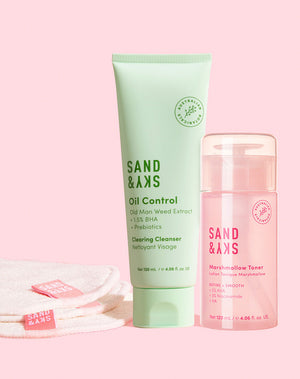
The formula is simple: start low (5%), go slow (every other night), and always wear SPF. Products that pair glycolic acid with soothing ingredients like marshmallow root extract and hydrating ingredients like hyaluronic acid make the transition easier on your skin, something brands like Sand & Sky have built their Marshmallow Toner around with a blend of AHAs, BHA, niacinamide, and sodium hyaluronate. ✨
Give it six weeks. That's all the science asks for before you'll see what the fuss is about.


